Designing for Autism in Healthcare: How SK Architects + Design and Shireen Kanakri Are Advancing Evidence Based Interiors
Read Article
Designing Care: How SK Architects + Design Advances Healthcare Architecture for Children With Autism
Hospitals, clinics, and therapy settings are not neutral containers for care. They shape stress levels, attention, communication, and the ability to cope with unfamiliar routines. When design is intentional, space becomes a quiet partner in health outcomes, supporting both patients and the professionals who serve them.
When architecture becomes part of the care team
Healthcare design has long moved beyond aesthetics. Evidence based design connects research with planning decisions, aiming to improve clinical outcomes, satisfaction, and operational performance. In parallel, a substantial body of research has linked environmental conditions such as noise, daylight, and access to nature with measurable impacts on stress and wellbeing, reinforcing the value of research informed design in medical settings.
This matters even more in pediatric environments, where anxiety can directly affect cooperation and the quality of an exam or procedure. In a randomized controlled trial on pediatric radiography environments, adding positive environmental distractions was associated with improved mood and reduced behavioral stress responses, while parents reported a better overall experience and stronger willingness to return.
Autism and sensory load: why the room matters
Autism spectrum disorder is common, with CDC surveillance reporting 1 in 36 eight year old children identified with autism in the monitored communities. Many autistic children experience differences in sensory processing, which can make everyday environmental inputs like echo, sudden noise, glare, flicker, or intense colors feel overwhelming. Design choices that might be minor for one child can become major barriers to comfort, regulation, learning, and care for another.
In practical terms, this is why sensory conditions are not secondary issues. They are functional requirements that influence behavior, participation, and safety, especially in settings where routines are disrupted and demands are high.
Research to real world impact, led by Dr. Shireen Kanakri
At the center of SK’s healthcare and neurodiversity focused design approach is a research pipeline grounded in interior architecture. In her academic leadership at Ball State University, Dr. Kanakri directs research that tests how environmental variables shape behavior and sensory response in children with autism.
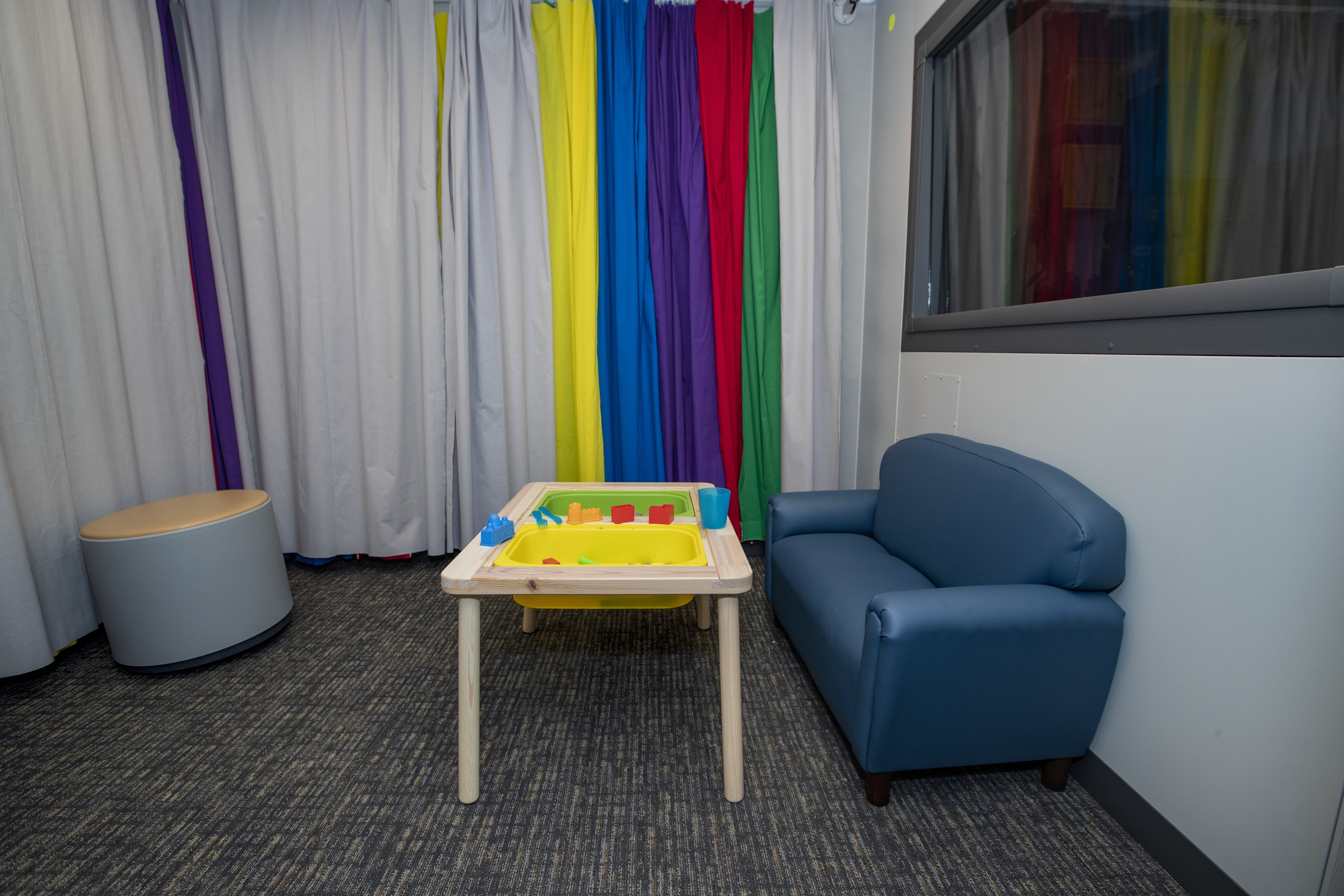
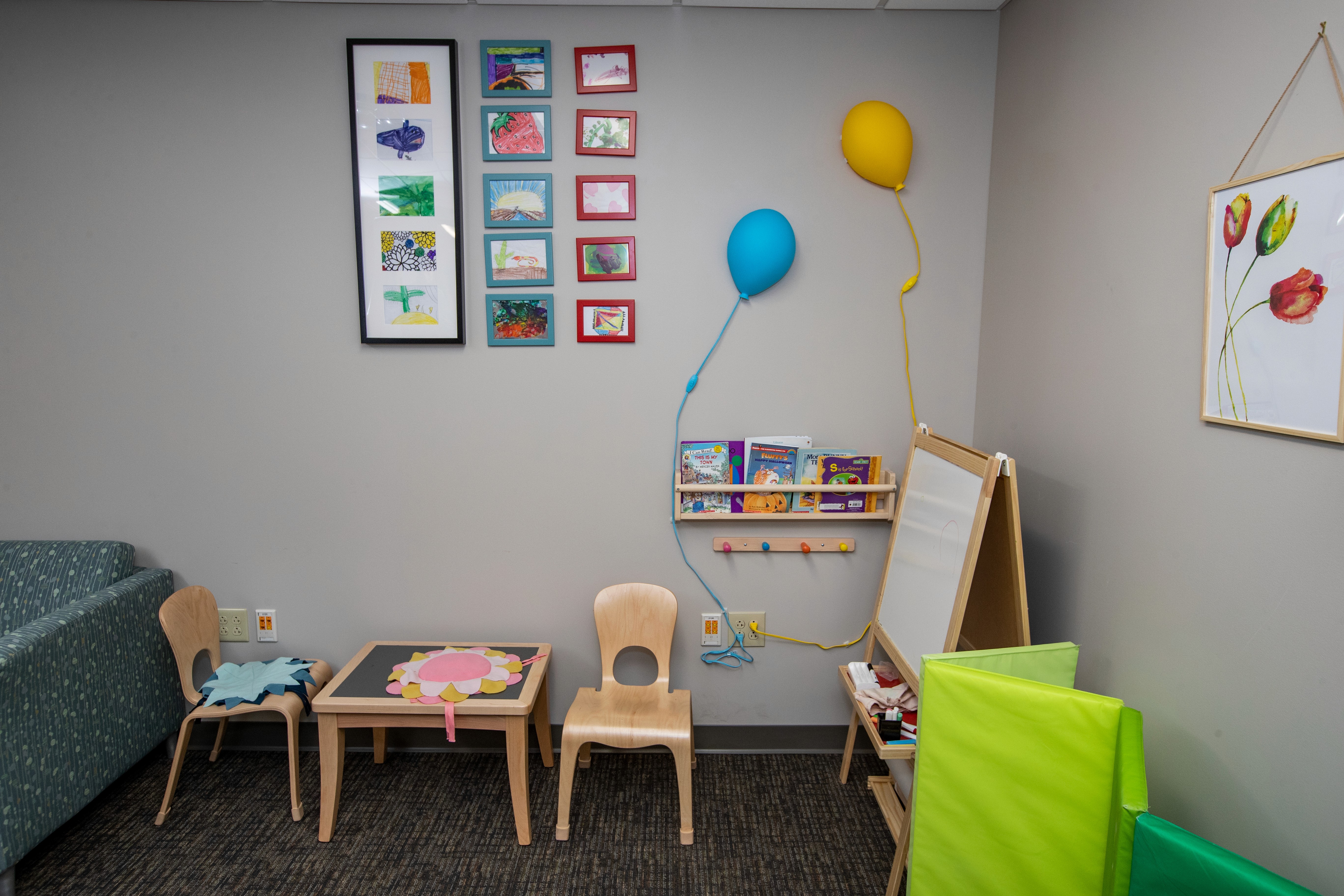
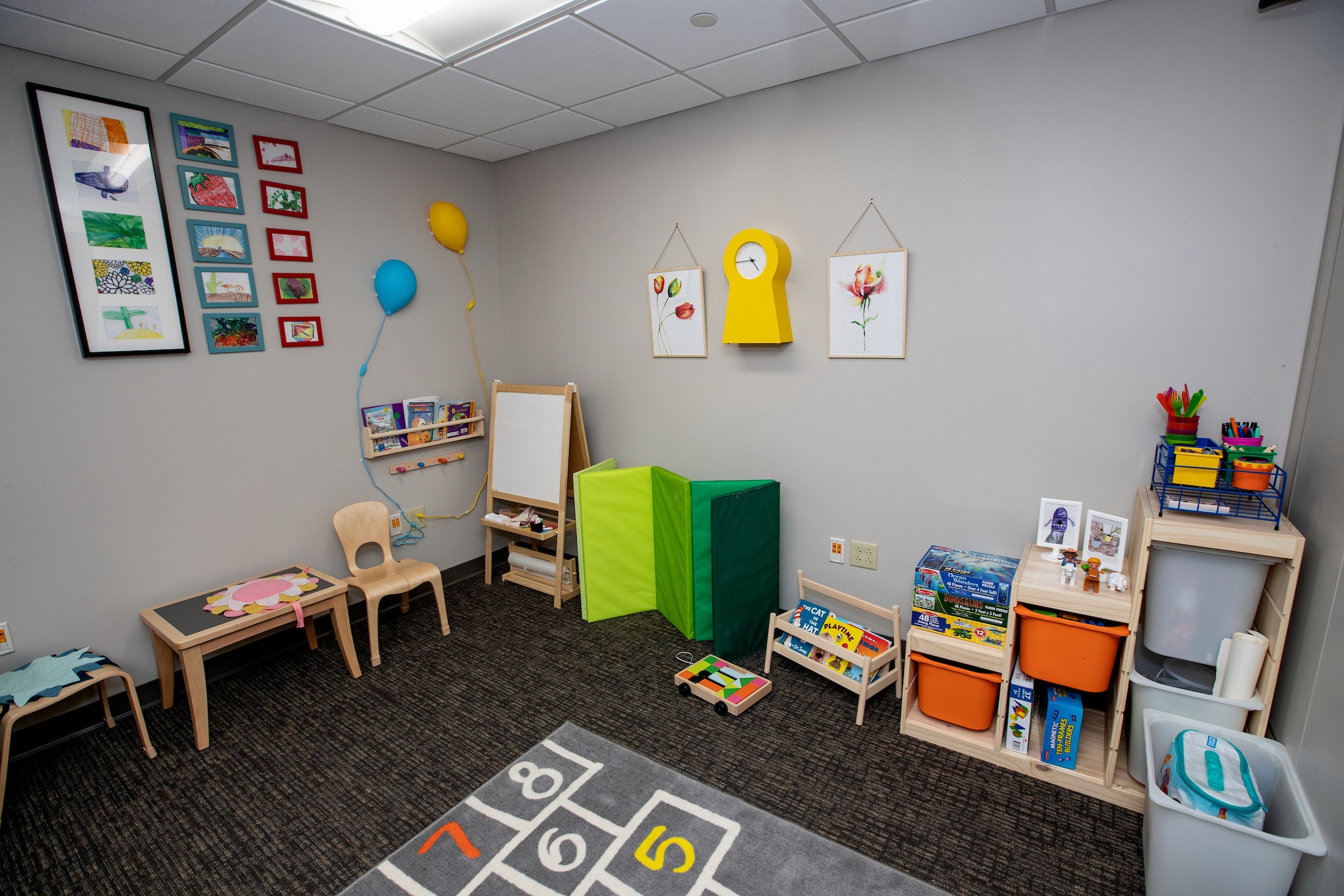
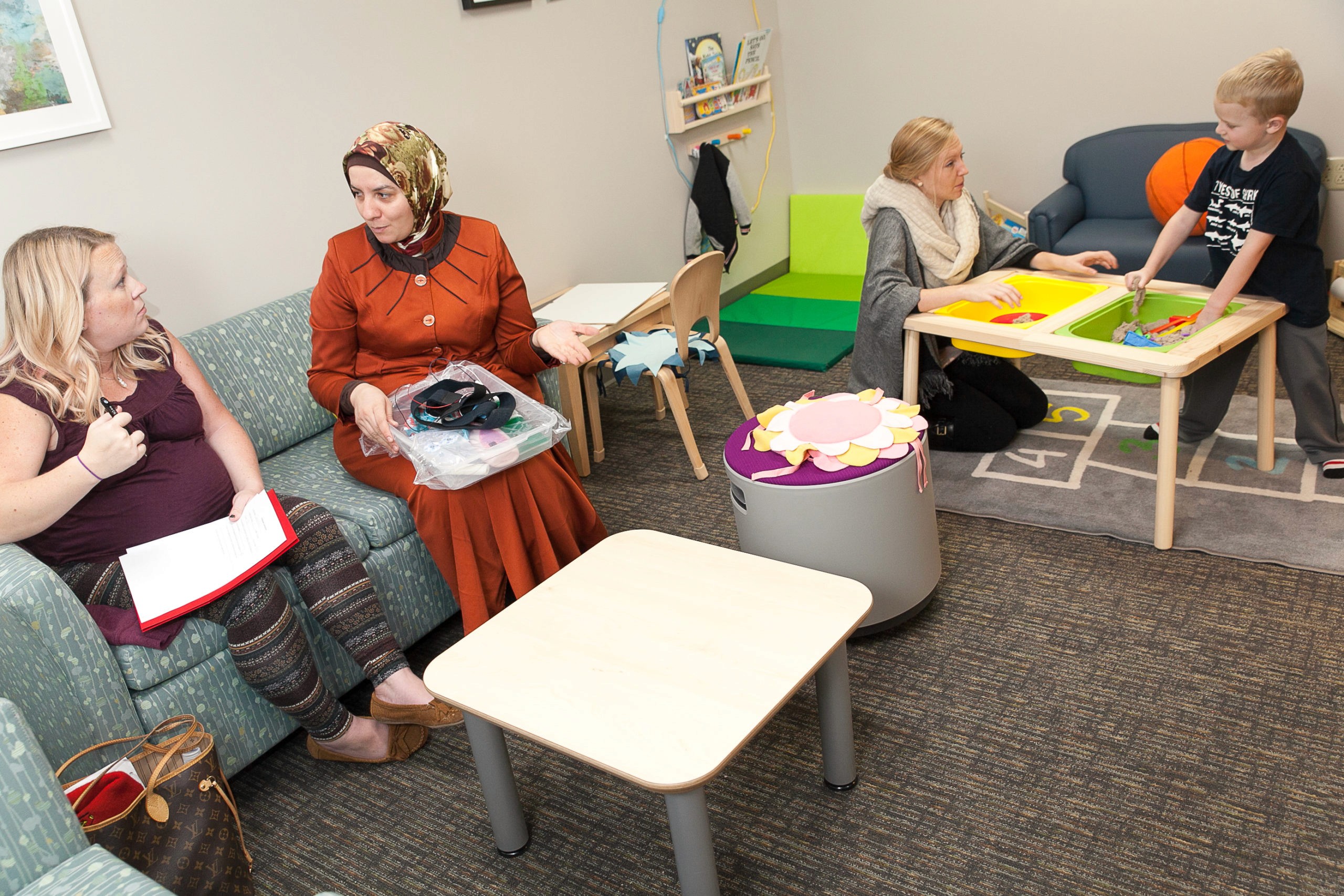
A key example is the Healthy Autism Design Lab model, where families participate in monitored sessions that systematically vary environmental conditions such as noise, lighting, and color to observe real responses. This is not design by assumption. It is design informed by measurable human experience.
That research direction is now expanding in scale. Dr. Kanakri received a 266,028 dollar award from the National Science Foundation for a three year study on how dynamic daylight patterns influence behavioral response and sensory distress in children with autism, with a multidisciplinary team that includes Purdue University.
“There is an urgent need to create inclusive learning environments that support the unique sensory and behavioral needs of children with autism.”
This kind of work contributes to global progress not only through publications, but through standards oriented guidance that can be used by educators, clinicians, designers, and families.
What the research is showing: design levers that matter
While autism is diverse and no single solution fits everyone, Dr. Kanakri’s publication record consistently points to a clear message: interior conditions influence behavior, comfort, and participation.
Acoustics: reducing distress, improving regulation
In a classroom study published in Environment and Behavior, Kanakri and collaborators observed a relationship between rising decibel levels and increased frequency of several behaviors such as ear covering and repetitive movements, emphasizing the design importance of managing ambient noise in learning environments.
In a related home focused study, parents reported on how acoustics affect their child and which noise control measures they consider most important, reinforcing that everyday interiors are a primary health environment for children with autism.
Lighting and color: calibrating stimulation
Light intensity, glare, and color can influence comfort and attention. In a 2025 study coauthored by Kanakri, researchers examined how different light colors corresponded with observable behavior patterns in autistic children, adding nuance to how lighting choices may shape experience in therapeutic and learning spaces.
Control, predictability, and transitions
Evidence based healthcare design repeatedly highlights the importance of stress reduction and sense of control. Noise reduction, clarity of wayfinding, adjustable lighting, and the ability to retreat from stimulation are examples of environmental strategies linked to improved coping. For autistic children, these themes map directly onto planning decisions: predictable layouts, clear thresholds, quiet zones, and spaces that support self regulation without stigma.
What this means for clients of SK Architects + Design
SK’s differentiator is not a single aesthetic. It is a method: research guided interior architecture paired with rigorous documentation, coordination, and code compliance.
For healthcare and autism responsive projects, that typically translates into:
• Programming that treats sensory needs as core performance criteria, alongside safety, durability, infection control, and operational flow
• Space planning that prioritizes clear circulation, legible wayfinding, and staged transitions between high stimulation and low stimulation zones
• Interior specifications selected for acoustic absorption, glare control, cleanability, and long term maintenance
• Lighting strategies that balance daylight and electric light to reduce glare and visual fatigue, while supporting task needs
• Documentation aligned with jurisdictional expectations, including accessibility requirements and local permitting review, so the built work matches both client goals and city standards
In short, SK delivers environments that are designed to perform: clinically, operationally, and humanly.
Selected research and publications featuring Dr. Kanakri
• Classroom acoustics and observed behavior patterns in children with autism, including analysis tied to decibel levels (Environment and Behavior).
• Parent reported impacts of home acoustics on children with autism and perceived importance of noise control features (2019).
• Pediatric radiography study showing that positive environmental distractions improved patient experience and parent satisfaction (Journal of Pediatric Nursing, randomized controlled trial).
• Light color and behavior in autistic children, examining observed behavior changes under different lighting conditions (Humanities and Social Sciences Communications, 2025).
• NSF funded research initiative focused on daylighting, behavioral response, and implementation strategies for learning environments for children with autism.
HEDR Lab